
Patrick C. Lee, University of Toronto
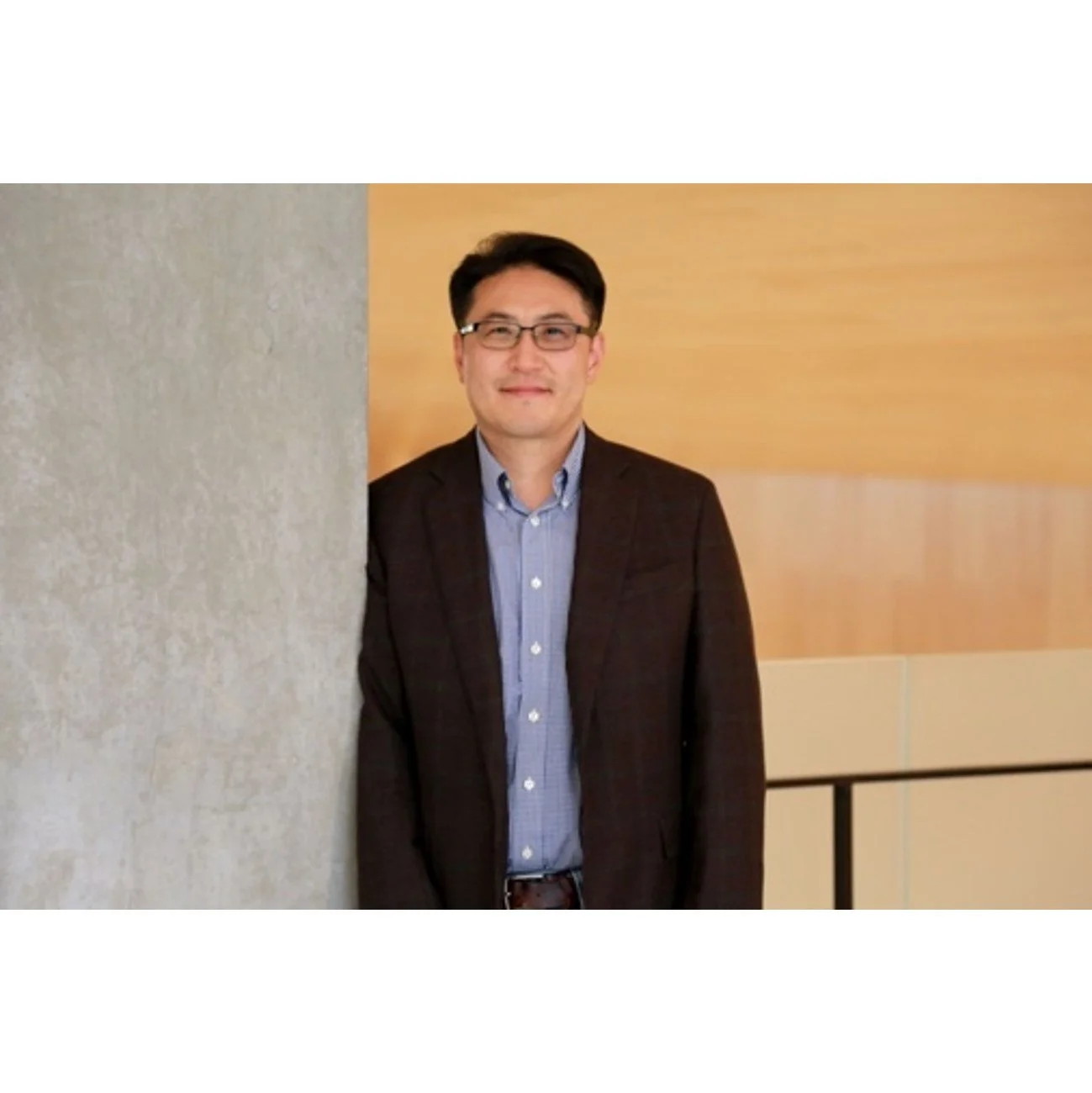
Biography
Dr. Lee is an Associate Professor in the Department of Mechanical and Industrial Engineering at the University of Toronto. He earned his B.Sc. in Mechanical Engineering from the University of British Columbia, followed by an M.A.Sc. and Ph.D. in Mechanical Engineering from the University of Toronto in 2001 and 2006, respectively. He then completed postdoctoral research in the Department of Chemical Engineering and Materials Science at the University of Minnesota.
In 2008, Dr. Lee began his professional career at The Dow Chemical Company as a Research Scientist and Project Leader within their R&D organization. In 2014, he joined the Department of Mechanical Engineering at the University of Vermont as an Assistant Professor, where he established an independent research program focused on lightweight and smart composite structures. He returned to the University of Toronto in July 2018 to join the Department of Mechanical and Industrial Engineering.
Dr. Lee’s research specializes in polymer processing and characterization, with a particular focus on processing–structure–property relationships in hybrid nanocomposites and polymer foams. He has published 119 journal papers, over 160 refereed conference abstracts/papers, six book chapters, and holds 32 filed or issued patent applications. He serves as Principal Investigator or Co-Investigator on numerous nationally and internationally funded research projects supported by government agencies and industry partners.
His contributions have been recognized through several prestigious honors, including his election as a Fellow of the Canadian Society for Mechanical Engineering (CSME) in 2024. He is also the recipient of the G.H. Duggan Medal from CSME (2020), the AKCSE Early Achievement Award (2019), the NSF CAREER Award (2018), the PPS Morand Lambla Award (2018), the Hanwha Advanced Materials Non-Tenured Faculty Award (2017), and three Best Paper Awards from the Society of Plastics Engineers (2005, two in 2011).
Title: Bio-inspired Hybrid Composites via Micro-structuring
Abstract
Most new polymeric products contain two or more polymers and/or functional additives resulting in desired properties contributed from each component. Recently, our group is focusing on creating hierarchically structured hybrid composites to tune the material properties. In this presentation, an approach will be presented to develop synergy-induced hierarchically structured Polypropylene (PP)-based hybrid composites, reinforced with Graphene Nanoplatelets (GnP) and Glass Fibers (GF) or Halloysite Nanotube (HNT) and GF, capable of achieving advanced properties and functionalities. These advanced multifunctional hybrid composites can be tailored for a variety of high-performance applications by exploiting the mechanisms governing the synergistic effect. In this hierarchical system, the GnPs or HNTs (i.e., nano-sized filler) are chemically and electrostatically attached to the GFs (i.e., micro-sized filler), favoring load transfer at the interface, while simultaneously enhancing the crystalline microstructure of the PP matrix. Furthermore, the volume exclusion effect induced by the GFs, promotes the formation of GnP-based conductive networks. Strategically controlling the reinforcement concentrations has been proven to directly influence the magnitude of these mechanisms, effectively enhancing the synergistic effect, thereby allowing the mechanical, electrical, and thermal conductive properties of these advanced hybrid composites to be tailored based on their application.